
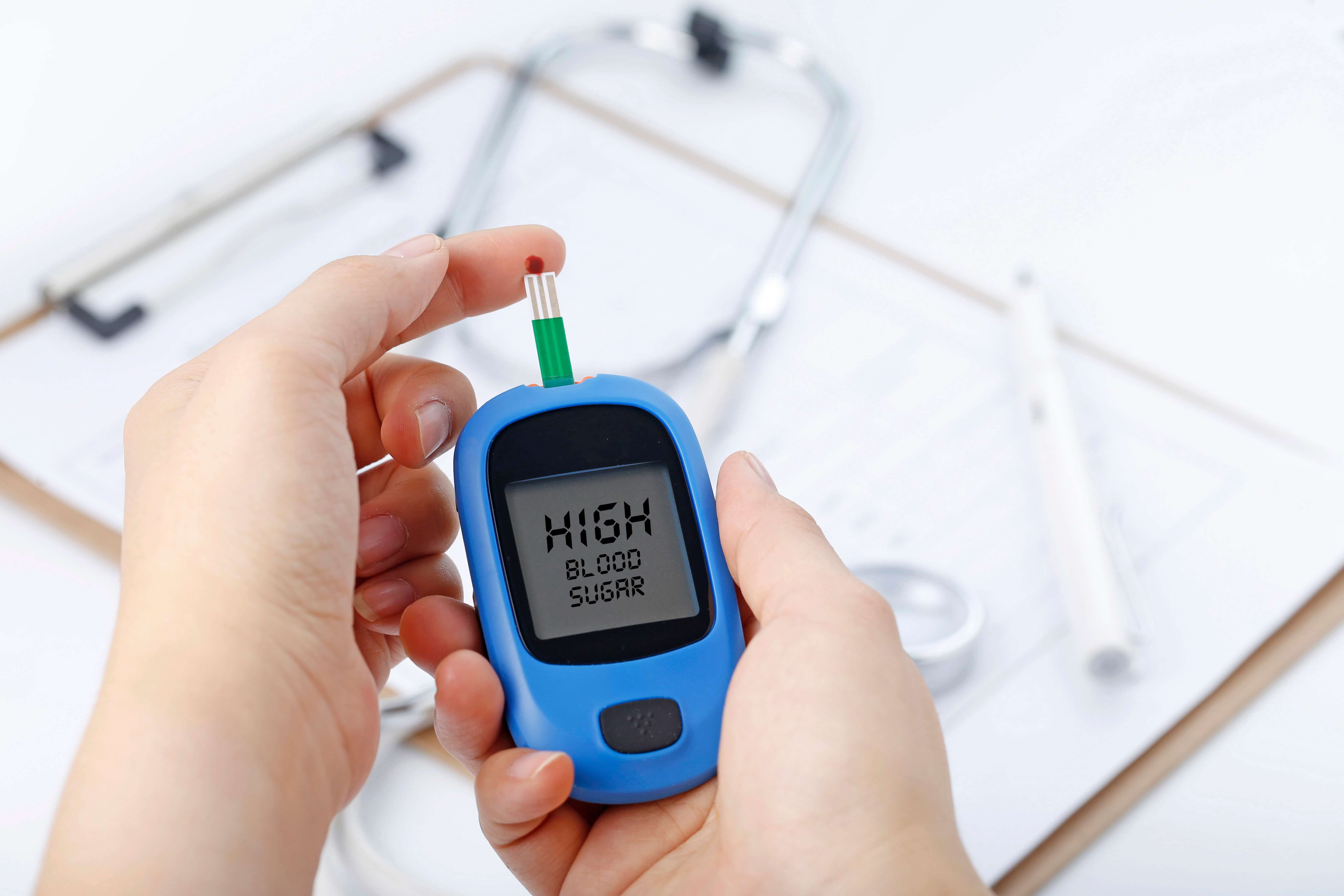
BLOOD SUGAR
To avoid or delay long term major health concerns including heart disease eyesight loss and kidney disease it is critical to keep your blood sugar within your target range as much as possible. Staying in the target region might also help you feel more energized and uplifted.
Monitoring Blood Sugar
How can I know what my blood sugar level is.
Use a glucose meter or a continuous glucose monitor CGM to check your blood glucose. A glucose meter tests sugar levels from a small sample of blood from your fingertips. A CGM continuously measures blood glucose using a sensor placed under the skin. Even with CGM daily tests using a glucose meter are recommended to ensure accuracy.
When should I measure my blood glucose
It depends on your diabetes type and medication. Generally.
When you wake up before eating or drinking.
Before meals.
2 hours after meals.
At bedtime.
If you are on insulin or often have low blood sugar your doctor might suggest checking more often such as before or after exercise.
Blood Sugar Targets.
What is your blood sugar target.
Typical goals.
Before meals 80 to 130 mg per dL.
2 hours after meals less than 180 mg per dL.
Targets may vary depending on your age health conditions and doctor’s advice.
Hypoglycemia Low Blood Sugar
What causes hypoglycemia.
Low blood sugar can result from.
Skipped meals.
Too much insulin or diabetes medication.
Extra physical activity.
Alcohol consumption.
Blood glucose below 70 mg per dL is considered low.
Common symptoms
Shakiness.
Sweating.
Nervousness or anxiety.
Irritability or confusion.
Dizziness.
Hunger.
Always check your blood sugar if you suspect it is low even without symptoms.
How to treat hypoglycemia
If blood sugar is under 70 mg per dL.
Take 4 glucose tablets.
Drink 4 oz fruit juice.
Drink 4 oz regular not diet soda.
Eat 4 candies.
Wait 15 minutes recheck your blood sugar and repeat treatment if needed. If your next meal is over an hour away eat a light snack.
Do not drive with low blood sugar. Always carry tools for treatment. Consult your doctor if you experience frequent episodes.
Hyperglycemia High Blood Sugar
What causes hyperglycemia
Illness.
Stress.
Eating more than planned.
Missed insulin or medication.
Chronic high blood sugar can cause serious long term health complications. Managing it is essential to reduce risks and maintain a good quality of life.